Something shifted in the last two decades. While consumer culture pushed us further into passive consumption — one-click purchases, disposable goods, planned obsolescence — a counter-movement was quietly building momentum. People started making things again. Not because they had to, but because they wanted to. Because they needed to.
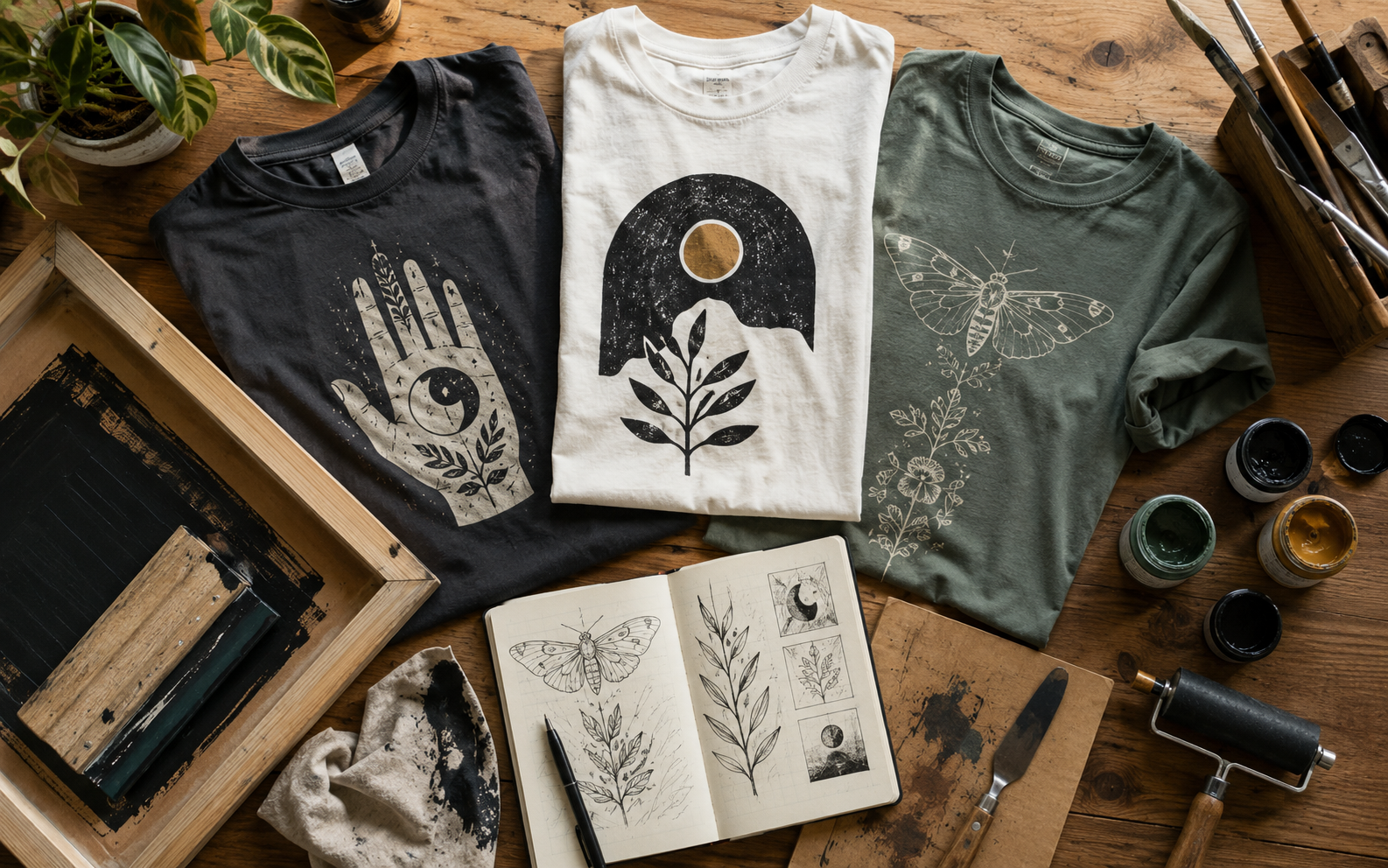
The maker movement isn't a single ideology or a formal organization. It's a broad, grassroots shift toward hands-on creation that spans woodworking, electronics, textiles, metalwork, 3D printing, and dozens of other disciplines. What unites it is a shared belief that making things with your hands matters — for the maker, for the community, and for the culture.
Roots in Rebellion
The maker movement grew partly from frustration. As manufacturing moved overseas and consumer products became increasingly sealed and irreparable, a growing number of people pushed back. They wanted to understand how things worked. They wanted to fix what was broken. They wanted to build what they couldn't buy — or didn't want to buy.
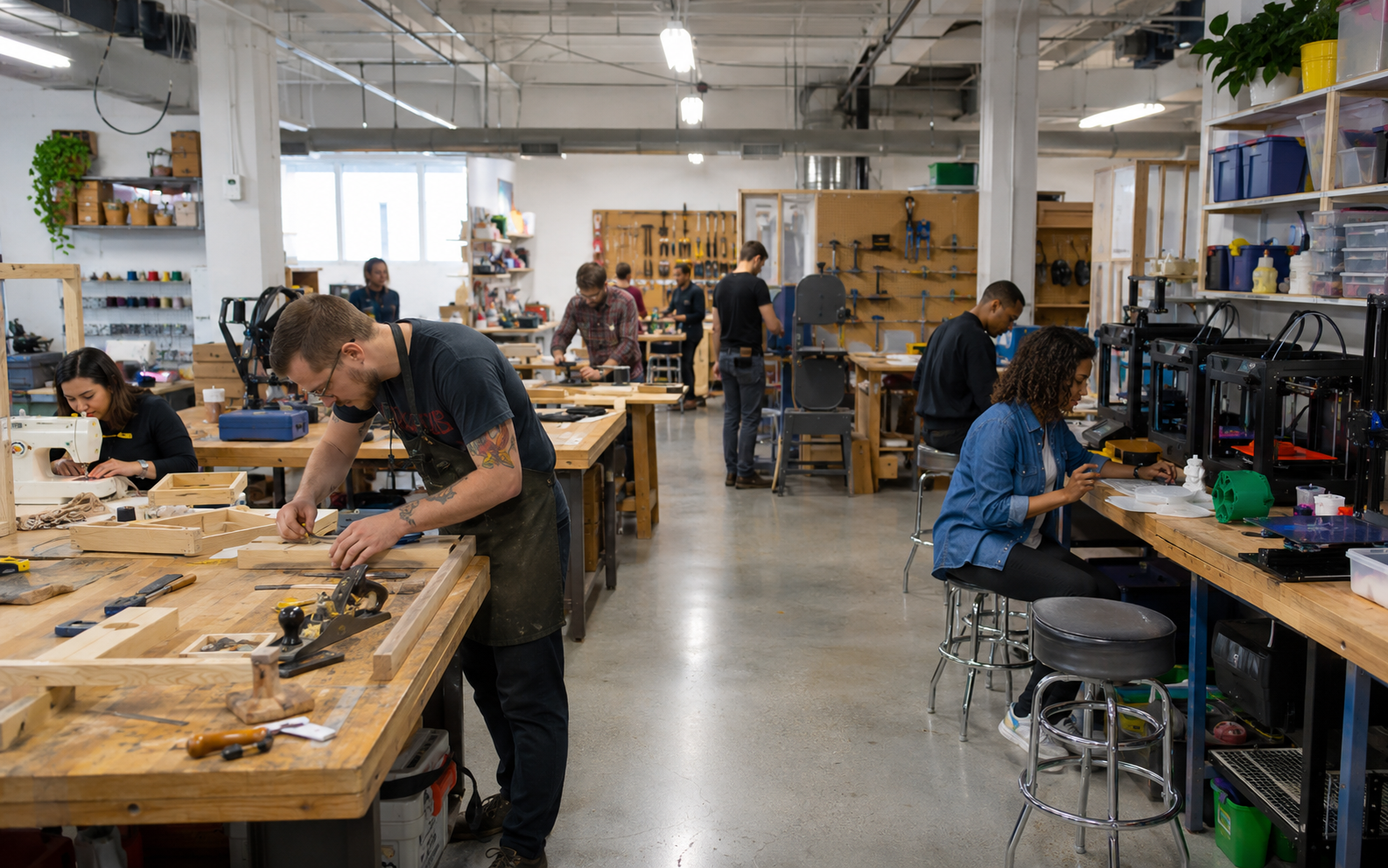
Makerspaces and community workshops began popping up in cities around the world, offering shared access to tools that few individuals could afford on their own. Laser cutters, CNC machines, welding stations, and full woodshops became available for monthly memberships. The barrier to entry dropped, and making became accessible to people who'd never had a workshop of their own.
Publications like Make Magazine helped spread the ethos further, documenting projects and profiles that inspired a new generation of creators. The message was simple: you don't need permission or a degree to build something remarkable. You just need curiosity and the willingness to learn.
More Than a Hobby
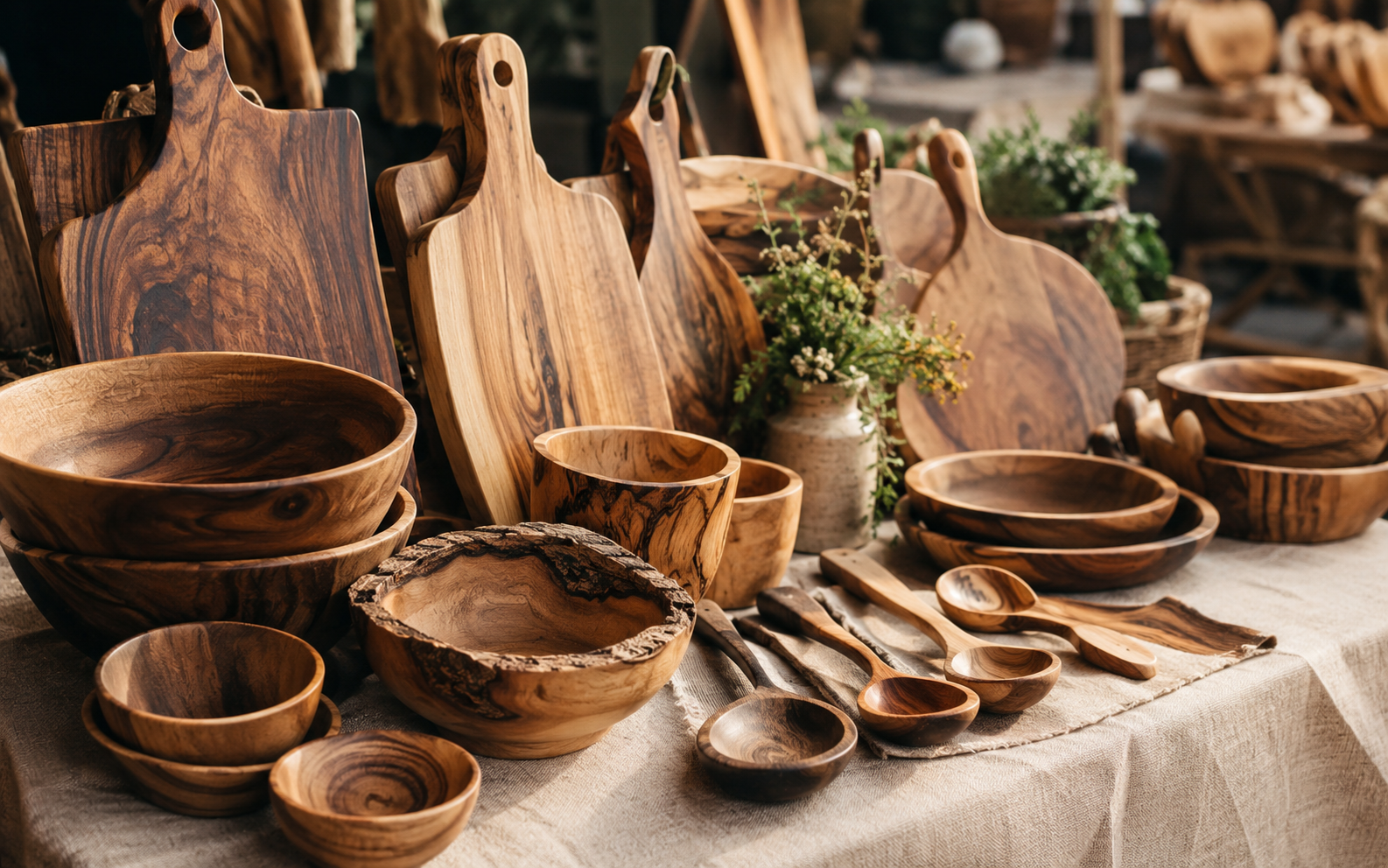
For many makers, the act of creation is deeply personal. It's a way of engaging with the physical world in an era that's increasingly digital. There's a satisfaction in holding something you've built — a cutting board, a bookshelf, a leather wallet — that no amount of scrolling or shopping can replicate.
But the movement also carries economic weight. Platforms like Etsy, Shopify, and local craft markets have given makers a direct path to customers, bypassing traditional retail entirely. What starts as a weekend hobby often becomes a side business, and for some, a full-time livelihood. The maker economy is real, and it's growing.
There's also an educational dimension. Schools and libraries have embraced makerspaces as learning environments, recognizing that hands-on creation teaches problem-solving, spatial reasoning, and persistence in ways that textbooks can't. When a kid builds a birdhouse and it falls apart, they learn more about structural engineering in that moment than in a semester of theory.
The Community Factor
One of the most powerful aspects of the maker movement is its communal nature. Unlike many hobbies that are solitary pursuits, making tends to bring people together. Workshops host open days. Makers share techniques freely on YouTube and forums. There's a generosity of knowledge that runs counter to the competitive instincts of mainstream culture.
This openness extends to the products themselves. Open-source hardware and design files mean that one maker's solution becomes everyone's starting point. You don't have to reinvent the wheel — you can download the plans and improve on them. It's collaborative innovation at its most organic.
Why It Still Matters
In a world where we can have almost anything delivered to our door in two days, choosing to make something yourself is a deliberate act. It's slower. It's harder. The results are often imperfect. But it's also more meaningful, more durable, and more connected to the traditions that built the physical world around us.
The maker movement matters because it reminds us that we are not just consumers. We are capable of creation. And in that creation — whether it's a hand-carved spoon or a custom circuit board — we find something that convenience can never provide: the deep, quiet satisfaction of having made something real.